Ever noticed how your kid can sit through a 45-minute TikTok spiral but can't focus on homework for five minutes? Or maybe you've caught yourself doom-scrolling Instagram Reels at 11 PM, knowing you've got an early meeting tomorrow?
You're not losing your mind. Your attention is being fracked.
What the Hell is 'Attention Fracking'?
If you're familiar with hydraulic fracturing, the controversial method of blasting chemicals into the earth to extract oil and gas, you'll get this analogy immediately. Tech companies are doing the same thing to your brain.
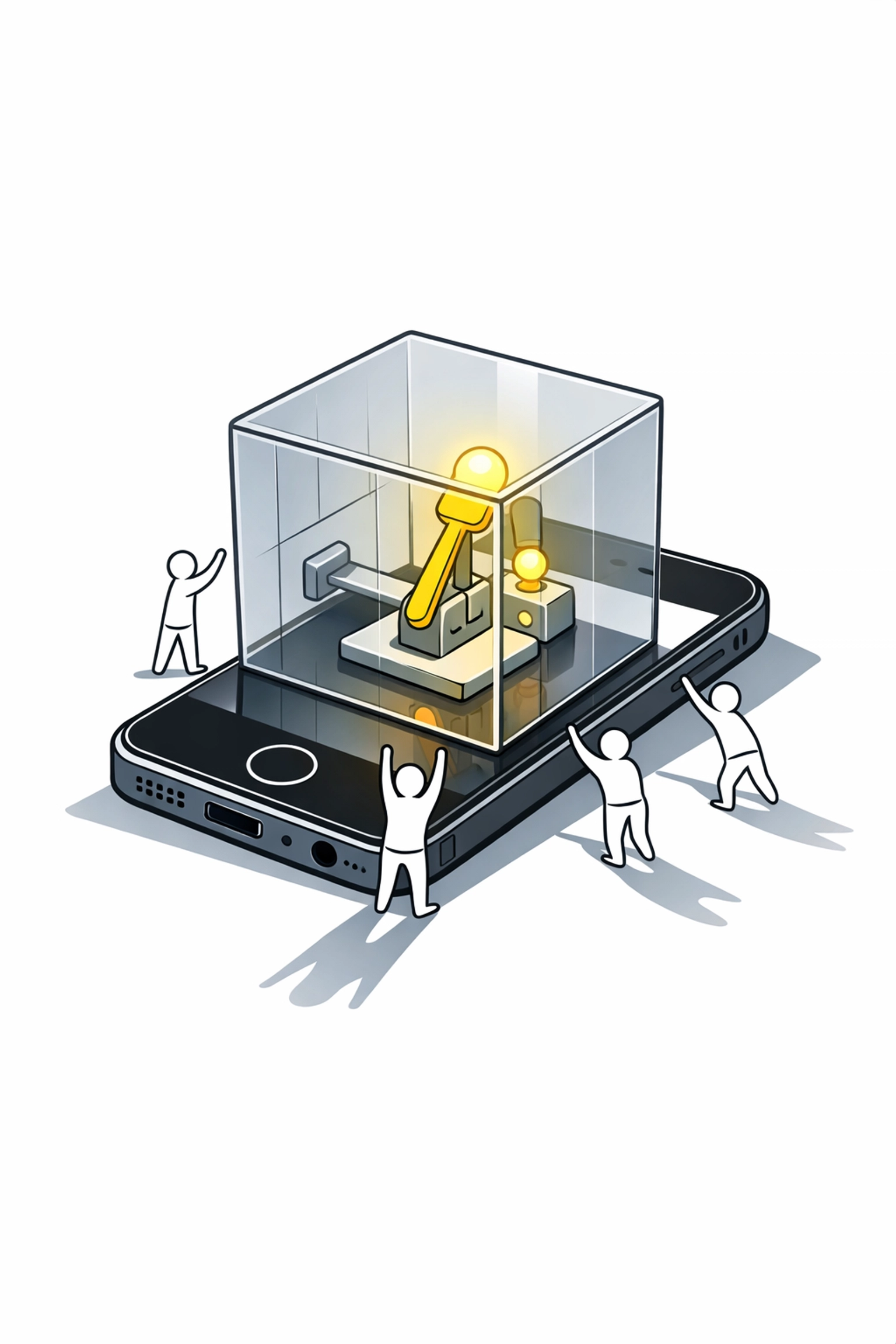
They're pumping high-pressure streams of addictive content directly into your face, shattering your ability to focus, and extracting your attention to sell to advertisers. Every scroll, every swipe, every "just one more video" is data they're monetizing.
Princeton historian D. Graham Burnett coined the term, and honestly, it's terrifyingly accurate. The infinite scroll feature alone, you know, that thing that makes your feed literally never-ending, was a calculated design choice. There's no natural stopping point. Your brain just keeps hunting for the next hit of dopamine.

Recent conversations between researchers like Jonathan Haidt and Dr. Aditi Nerurkar have blown the lid off what's really happening to our brains, especially our kids' brains. And the findings aren't pretty.
Welcome to 'Brain Rot': Your Prefrontal Cortex is Taking a Beating
Here's the science bit, but stick with me because it's important.
Your prefrontal cortex is the CEO of your brain. It handles executive functions like planning, decision-making, impulse control, and sustained attention. It's what makes you human, basically.
Your amygdala? That's your alarm system. It's always scanning for threats, triggering emotional reactions, and keeping you in survival mode.
Short-form video platforms, TikTok, Reels, YouTube Shorts, are systematically training your brain to rely less on the CEO and more on the alarm system. Every video delivers a quick dopamine hit. Your brain learns to crave that constant stimulation. And suddenly, anything that requires sustained attention (like reading a book, having a deep conversation, or finishing a work project) feels impossibly boring.
For kids and teens whose prefrontal cortexes are still developing until age 25, this is catastrophic. Studies are now linking excessive social media use to ADHD diagnoses in children. We're literally watching attention spans degrade in real-time.
One parent I spoke with in Bunbury told me her 14-year-old daughter couldn't watch a full movie anymore. "She needs her phone out, scrolling, even when we're watching something she picked," she said. That's not a discipline problem. That's brain rot.

The Skinner Box in Your Pocket
Remember B.F. Skinner? The psychologist who put rats in boxes and trained them to press levers for random rewards? That's exactly what your smartphone is.
Variable rewards are the most addictive kind. You don't know if the next scroll will show you something amazing, so you keep scrolling. Maybe this video goes viral. Maybe this post gets a hundred likes. Maybe, maybe, maybe.
Kids are especially vulnerable to this. Their brains are wired to seek novelty and social validation. Every notification triggers a little rush. Every like feels like acceptance. Every view count becomes a measure of self-worth.
Here's the kicker: tech executives know this. Steve Jobs didn't let his kids use iPads. Bill Gates limited screen time. The people who build these platforms protect their own children from them. Let that sink in.
They're selling digital heroin while keeping their own families sober.
The Real Cost: What We're Losing
This isn't just about shorter attention spans. We're talking about:
- Lost creativity: When your brain never gets quiet time, it can't make unexpected connections or generate original ideas.
- Broken relationships: How many dinners have you scrolled through? How many conversations have you half-listened to while checking your phone?
- Mental health crisis: Anxiety, depression, and suicide rates among teens have skyrocketed since 2010, right when smartphones became ubiquitous.
- Reduced productivity: Ironically, the tools meant to keep us "connected" and "efficient" are destroying our ability to do deep work.
For families, the impact is profound. Parents are distracted. Kids are addicted. Nobody's really present anymore.
Fighting Back: Practical Steps That Actually Work
Alright, enough doom and gloom. Let's talk solutions. You don't need to move to a cabin in the woods or go full digital detox (though if that's your vibe, go for it). Small changes create massive ripples.
1. No Screens in the Bedroom, Ever
This is non-negotiable. Phones, tablets, laptops, they all stay out. Charge them in a common area overnight.
Better sleep alone will transform your family's mental health. Plus, removing the temptation to scroll before bed and immediately upon waking breaks the addiction cycle.
2. Grayscale Your Phone
Go into your phone settings and switch to grayscale mode. It sounds simple, but color is a massive part of what makes apps addictive. Instagram's gradient logo, TikTok's vibrant videos, they're designed to grab your attention.
In grayscale, everything looks boring. You'll naturally spend less time scrolling.
3. The '3-Second Reset'
Dr. Nerurkar talks about this technique. When you feel the urge to grab your phone, pause for three seconds. Take a breath. Ask yourself: "Do I actually need to check this, or am I just avoiding discomfort?"
Most of the time, you're avoiding. Boredom, stress, awkwardness, we use our phones to escape. The 3-second reset creates space to choose differently.
4. Create Phone-Free Zones
Designate times and places where phones don't exist. Dinner table. Family game night. The first hour after everyone gets home. Car rides together.
Yes, your kids will complain. Do it anyway. You're teaching them that human connection matters more than notifications.

5. Model the Behavior You Want
Kids don't listen to what you say. They watch what you do. If you're scrolling during dinner, they'll do the same. If you're present, engaged, and putting your phone down, they'll notice.
The Southside Media Connection: We Navigate the Noise So You Don't Have To
Here's where this ties back to what we do at Southside Media.
We live in the digital world professionally, so you don't have to live in it personally. Our 'Marketing Department in a Box' philosophy means we handle the endless content creation, the algorithm chasing, the social media noise: all the digital wellbeing Bunbury businesses need to stay competitive without burning out.
We're deeply aware of the attention economy because we operate in it daily. We know how social media works, what drives engagement, and how to use these platforms strategically without letting them consume your life.
That knowledge? We want to share it. Not just to grow your business, but to protect your brain.
Reclaiming What Matters
Here's the truth: social media safety isn't about demonizing technology. Smartphones aren't evil. Social platforms have genuine value.
But attention fracking is real. Social media addiction is real. Brain rot is real.
And if we don't actively fight back, we'll keep watching our focus shatter, our relationships weaken, and our kids struggle with anxiety and depression.
Start small. Pick one strategy from the list above. Implement it this week. Notice what changes.
Your brain: and your family: will thank you.
Because at the end of the day, the most valuable resource you have isn't time. It's attention. And it's worth protecting.